
The Impact Of Workplace Automation On Workers' Compensation Claims
Workplace automation continues transforming industries across California, from warehouses deploying robots to factories implementing artificial intelligence systems and offices adopting increasingly sophisticated software. While these technological advances promise increased efficiency and productivity, they also reshape the landscape of workplace injuries and workers' compensation claims in profound ways.
Some hazards diminish as machines take over dangerous tasks, while new risks emerge from human-machine interaction and the changing nature of work itself. Understanding how automation affects workers' compensation helps employees, employers, and policymakers navigate this evolving terrain and ensure adequate protections remain in place as technology reshapes the modern workplace.
How Automation Changes Workplace Hazards
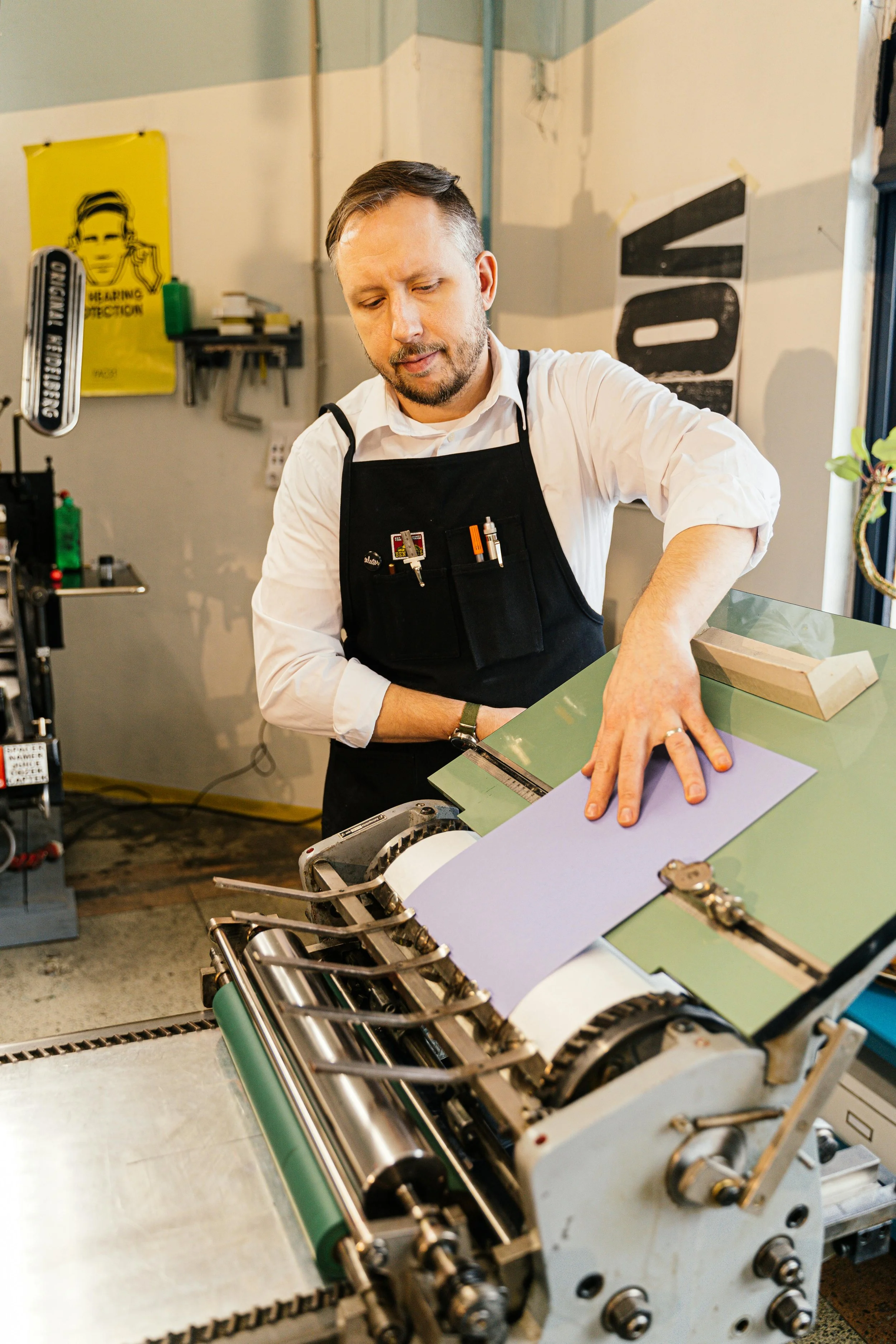
The introduction of automated systems into workplaces fundamentally alters the types and frequencies of injuries workers experience. This transformation creates a complex picture where some traditional hazards decrease while new risks emerge from technological advancement.
Traditional manual labor injuries decline in workplaces where automation takes over physically demanding or repetitive tasks. When robots handle heavy lifting, workers experience fewer back injuries, strains, and sprains from moving materials. Automated assembly lines reduce repetitive motion injuries as machines perform the same movements hundreds of times without requiring human hands to repeat identical motions hour after hour.
However, automation doesn't eliminate workplace injuries—it changes their nature. Workers now face different hazards related to supervising, maintaining, and working alongside automated systems. The relationship between technology and workplace safety involves both risk reduction and the introduction of new types of injuries that didn't exist in pre-automation workplaces.
Human-machine interface injuries represent a growing category as workers interact with automated equipment. Collisions between workers and automated vehicles in warehouses, crush injuries from robotic arms that don't detect human presence, and accidents occurring during machine maintenance or troubleshooting all stem directly from workplace automation. These incidents can be particularly severe because automated equipment may operate with greater force and speed than human workers could achieve.
The changing pace and intensity of work in automated environments creates new stressors. Workers monitoring multiple automated processes simultaneously face increased cognitive demands and stress-related conditions. The pressure to maintain automated systems' uptime and productivity can lead to rushed decisions, skipped safety procedures, and accidents resulting from fatigue or mental overload.
Training gaps contribute to automation-related injuries. When new technology is implemented without adequate worker training on proper operation, safety protocols, and emergency procedures, workers face heightened risk. The complexity of modern automated systems requires comprehensive training that traditional workplace orientation may not provide.
New Categories of Workers' Compensation Claims
Automation creates entirely new categories of workplace injuries and workers' compensation claims that didn't exist or were rare in traditional work environments. Understanding these emerging claim types helps workers recognize when they have valid compensation cases and helps employers anticipate and prevent automation-related injuries.
Robot-Related Injuries
Workers' compensation claims involving robotic systems have increased as more workplaces deploy automated machinery. These injuries range from minor to catastrophic and occur during normal operations, maintenance procedures, or system malfunctions.
Automated Vehicle Accidents
Warehouses and distribution centers using automated guided vehicles (AGVs) or autonomous forklifts see workers' compensation claims from collisions between these machines and workers. Unlike traditional vehicle accidents, where human drivers might see and avoid workers, automated vehicles may not detect human presence or may operate in ways that workers don't anticipate.
Monitoring-Related Stress Injuries
Workers supervising automated systems experience new categories of stress and psychological injuries. The responsibility for monitoring multiple automated processes, responding to system failures, and maintaining productivity targets can lead to anxiety, depression, and stress-related physical symptoms that qualify for workers' compensation.
Technology-Induced Ergonomic Problems
While automation may reduce some repetitive stress injuries, it can create new ergonomic problems. Workers operating control panels, monitoring multiple screens, or maintaining awkward postures while servicing automated equipment develop unique repetitive stress injuries adapted to these new work patterns.
System Failure Injuries
When automated systems malfunction or unexpectedly shut down, workers rushing to restore operations or prevent product damage may sustain injuries. The urgency created by automated system failures can lead to unsafe actions that result in compensable workplace injuries.
These new claim categories require updated medical and legal understanding to properly evaluate causation, determine appropriate treatment, and establish fair compensation for automation-related workplace injuries.
Challenges in Proving Automation-Related Claims
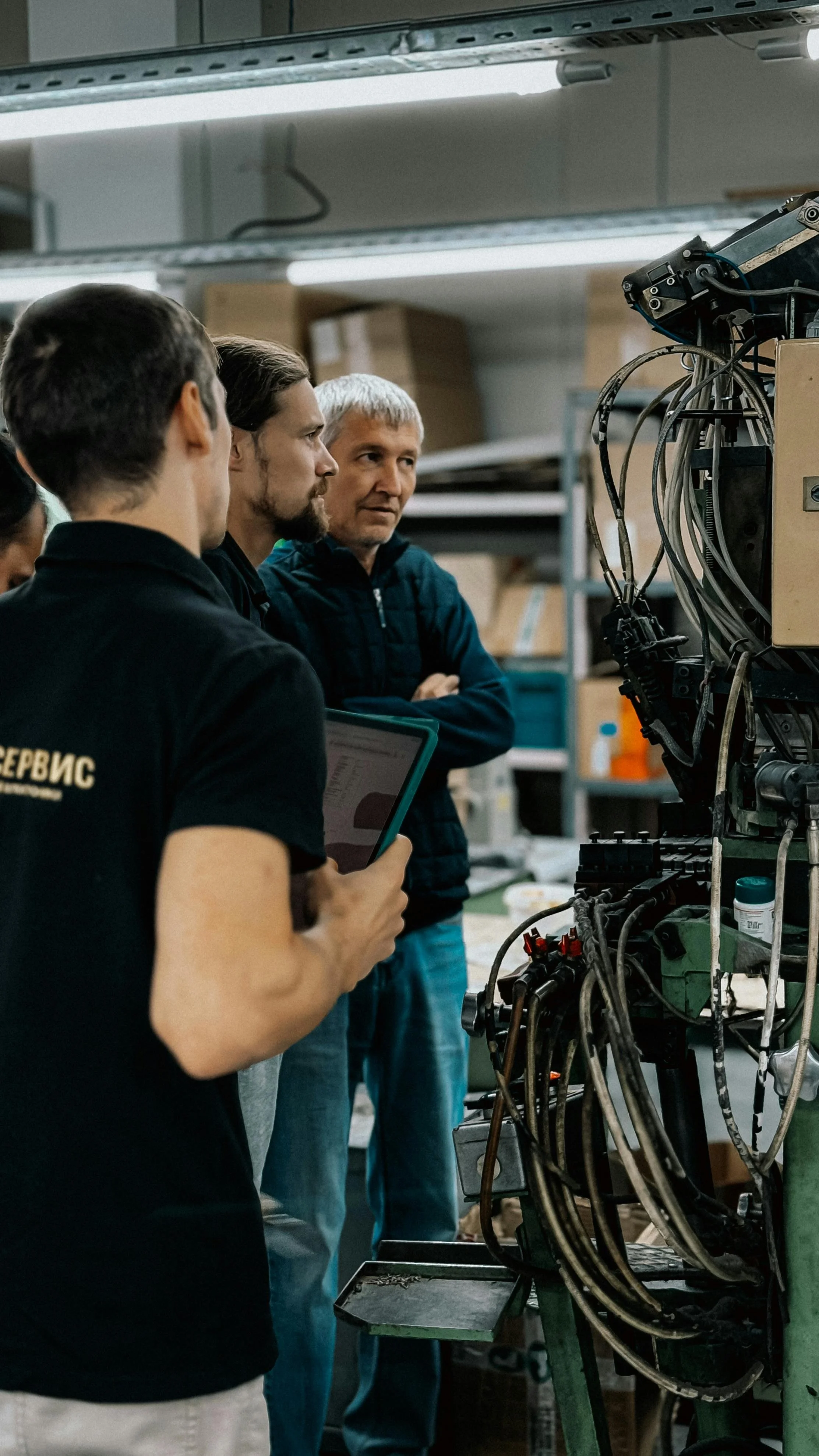
Establishing causation for injuries involving automated systems presents unique challenges not present in traditional workers' compensation claims. These difficulties can complicate the claims process and require more extensive evidence to demonstrate the work-related nature of automation injuries.
The complexity of automated systems makes determining fault and causation difficult. When an injury involves interaction between a worker and sophisticated machinery controlled by computer systems, algorithms, and sensors, identifying exactly what went wrong and why requires technical expertise beyond typical workplace accident investigation. Was the injury caused by equipment malfunction, software error, inadequate safety features, worker error, or some combination of factors?
Limited witnesses often compound automation-related injury investigations. Traditional workplace accidents frequently occur in the presence of coworkers who can testify about what happened. Automation injuries may occur when workers are alone with machines, particularly during maintenance or troubleshooting. Without witnesses, injured workers must rely more heavily on machine data logs, video footage, and expert analysis to establish what occurred.
Technical evidence requirements exceed those of traditional claims. Proving an automation-related injury claim may require computer forensics examining system logs, engineering analysis of machine design and safety features, and expert testimony explaining how automated systems function and where failures occurred. This technical evidence costs more to obtain and requires specialized expertise to interpret for judges and claims administrators.
Employer defenses in automation cases often focus on worker training and procedural compliance. Insurance companies may argue that injuries resulted from workers failing to follow proper procedures, disabling safety features, or lacking adequate training rather than from the inherent hazards of automated equipment. Refuting these defenses requires documentation of the training you received, the procedures in place, and evidence that your actions were reasonable given your knowledge and the situation.
Pre-existing conditions become more challenging to address in automation claims. When injuries involve new types of trauma from advanced machinery, establishing whether symptoms relate to the current incident versus prior conditions requires medical expertise specifically familiar with automation-related injury patterns.
Impact on Different Industries
Automation affects workers' compensation claims differently across various industries, with each sector experiencing unique combinations of reduced traditional hazards and new automation-specific risks.
Manufacturing and Industrial Settings
Manufacturing facilities deploying robotic assembly lines and automated quality control systems experience decreased repetitive stress injuries and reduced exposure to hazardous materials as machines handle dangerous processes. However, maintenance workers face new risks servicing complex automated equipment, and operators monitoring multiple automated processes experience increased cognitive stress.
Warehousing and Distribution
The explosive growth of e-commerce has driven rapid automation in warehousing. While automated storage and retrieval systems reduce the need for workers to climb ladders or operate forklifts in high spaces, workers now face hazards from autonomous vehicles, robotic picking systems, and the intense pace of automated order fulfillment that can lead to overexertion and stress injuries.
Healthcare Settings
Medical automation introduces surgical robots, automated medication dispensing, and patient monitoring systems. While these technologies can improve patient outcomes, healthcare workers face new training requirements and potential injuries from equipment malfunctions. The complexity of medical automation creates unique liability questions when injuries occur during patient care involving automated systems.
Transportation and Logistics
Partially automated vehicles and logistics systems change the nature of transportation workers' injuries. While automation may reduce some driver fatigue issues, it creates new challenges around the human-machine interface where drivers interact with autonomous driving features, potentially leading to accidents when automation fails or drivers misunderstand system capabilities.
Agriculture
Agricultural automation, from harvesting robots to automated irrigation and crop monitorin,g reduces some physical labor injuries but requires workers to maintain and supervise equipment in outdoor environments. The combination of automated machinery and variable agricultural conditions creates unique hazard profiles.
Understanding how automation affects your specific industry helps workers recognize potential hazards and employers implement appropriate safety measures tailored to their automation challenges.
Adapting Workers' Compensation to Automation

As automation continues to reshape workplaces, the workers' compensation system must evolve to adequately address new injury patterns, claim complexities, and protection needs. Several adaptations are necessary to ensure injured workers receive appropriate support in increasingly automated work environments.
Medical providers need education about automation-related injuries. Doctors treating workers' compensation patients should understand how automated systems function, the types of injuries they can cause, and how to properly evaluate and document these conditions. Traditional medical training may not prepare physicians to recognize or treat injuries specific to human-machine interaction in modern automated workplaces.
Claims administrators require technical expertise to properly evaluate automation-related claims. Insurance adjusters and workers' compensation judges benefit from training in industrial automation, robotics, and the specific hazards emerging in automated workplaces. This knowledge allows for more accurate assessment of causation and appropriate benefit determinations.
Safety training standards must evolve with automation. Employers should provide comprehensive training not just on operating automated equipment but also on recognizing and avoiding automation-specific hazards. This training should be ongoing as systems are updated and new equipment is deployed, ensuring workers maintain current knowledge of safety protocols.
Accident investigation procedures need updating for automated workplaces. Traditional investigation methods should be supplemented with technical analysis of system data, examination of safety feature effectiveness, and evaluation of human-machine interface design. Thorough investigations benefit both safety improvement and workers' compensation claim evaluation.
Prevention strategies should specifically address automation hazards. Beyond implementing safety features on equipment itself, employers should consider workplace design that minimizes human-machine interaction risks, maintains clear separation between automated zones and worker areas where appropriate, and ensures adequate supervision and monitoring of automated systems.
These adaptations require collaboration between employers, workers, insurance carriers, medical providers, and regulatory bodies to create a workers' compensation system that effectively serves workers in increasingly automated environments while encouraging continued safety improvements.
Conclusion
Workplace automation fundamentally transforms the landscape of workers' compensation claims, reducing some traditional injury types while creating new hazards that require updated approaches to prevention, treatment, and compensation. As technology continues advancing, maintaining robust protections for workers in automated environments demands ongoing adaptation of safety practices, medical understanding, and legal frameworks. If you've been injured in an automated workplace, understanding how automation affects your workers' compensation rights helps you secure appropriate benefits and medical care for these modern workplace injuries.
Cole, Fisher, Cole, O’Keefe + Mahoney is Central California’s leading workers’ compensation and social security disability law firm. With over 30 years of successful experience, we are committed to securing maximum benefits for our clients in the Fresno, California area. Schedule a free consultation today.






© 2025 Cole, Fisher, Cole, O’Keefe + Mahoney
Making a false or fraudulent workers’ compensation claim is a felony subject to up to five years in prison, or a fine of up to $150,000 or double the value of the fraud, whichever is greater, or by both imprisonment and fine.