
Seasonal Jobs and Workers' Compensation
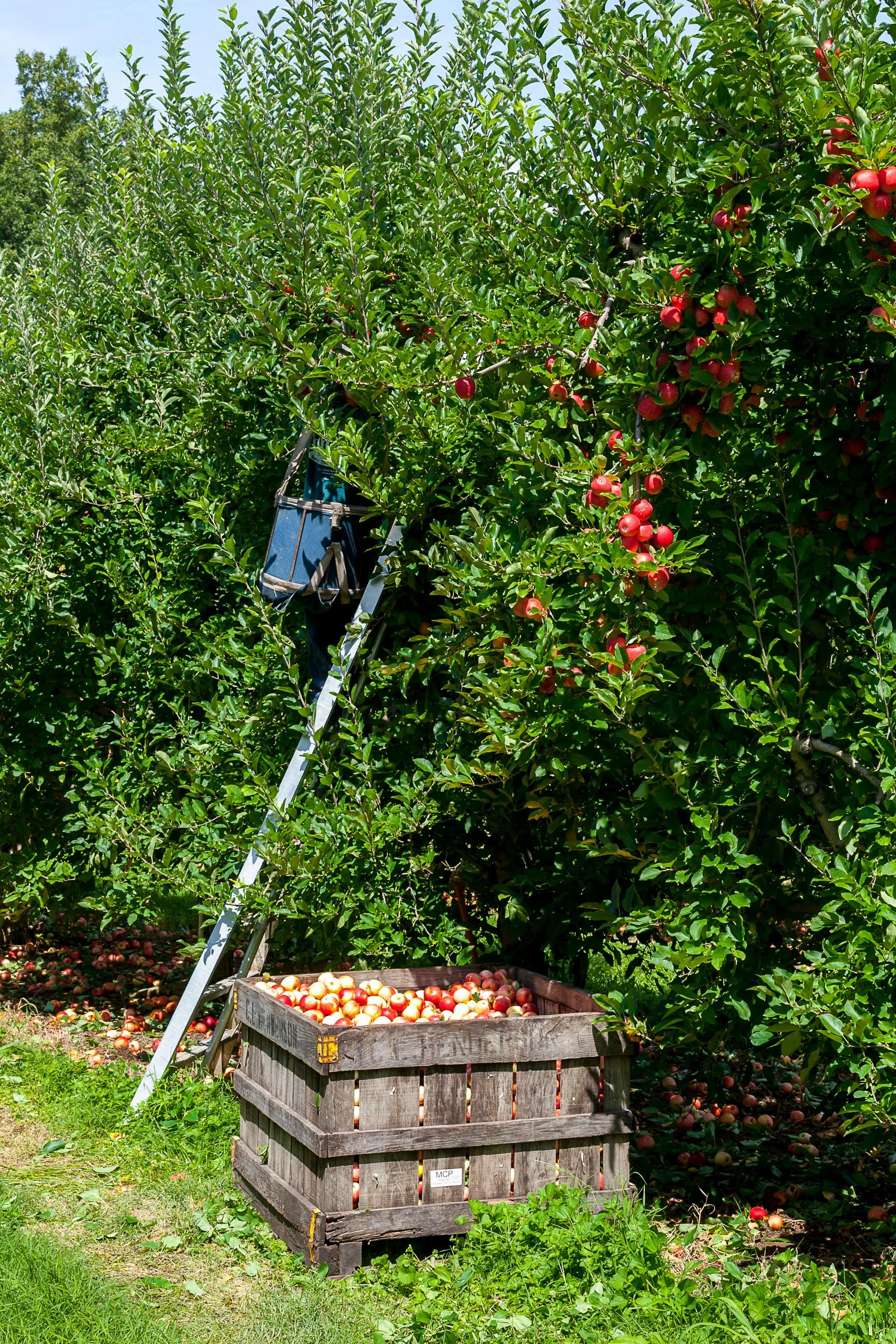
Seasonal employment offers flexible work opportunities across numerous industries, from agriculture and retail to tourism and recreation. However, many seasonal workers remain unaware of their rights under workers' compensation laws, leaving them vulnerable when workplace injuries occur. Understanding your coverage, how to protect yourself, and what to do if injured can make the difference between receiving proper benefits and facing financial hardship during recovery.
Understanding Seasonal Employment
Seasonal work fills temporary labor needs during peak business periods. Retailers hire extra staff for holiday shopping seasons, farms need workers during planting and harvest, resorts add personnel for summer vacations or winter ski seasons, and tax preparation services expand their workforce during filing season.
These positions typically last anywhere from a few weeks to several months, with workers understanding from the start that their employment has a defined end date. Some seasonal workers return year after year, while others take these positions as one-time opportunities or supplemental income sources.
The temporary nature of seasonal work creates unique challenges and opportunities. While the flexibility appeals to students, retirees, and those seeking extra income, the lack of long-term job security and benefits can create uncertainty. Many seasonal workers juggle multiple jobs throughout the year to maintain steady income.
Workers' Compensation Coverage for Seasonal Workers
A common misconception is that a seasonal or temporary status excludes workers from workers' compensation protection. In reality, California law requires employers to provide workers' compensation insurance for virtually all employees, regardless of whether they work full-time, part-time, or seasonally.
From your first day on the job, you're generally entitled to the same workers' compensation benefits as permanent employees. The duration of your employment doesn't determine your coverage. Whether you've worked for one day or one season, if you suffer a work-related injury, you have rights under the workers' compensation system.
This coverage applies across all industries that employ seasonal workers. Farm workers during harvest, retail employees during holiday seasons, resort staff during peak tourism periods, and warehouse workers during busy shipping times all qualify for protection under workers' compensation laws.
However, understanding your coverage is just the first step. Knowing how to access these benefits and what to do when injuries occur is equally crucial for protecting your rights.
Common Risks Seasonal Workers Face
Seasonal workers encounter a unique combination of hazards that stem from both the nature of their temporary employment and the industries that rely heavily on seasonal labor. Understanding these common risks can help you stay vigilant and take appropriate precautions to protect yourself on the job.
Heat-Related Illnesses
Seasonal workers in agriculture, landscaping, and outdoor event staffing face significant risks from heat exposure. Long hours under intense sun without adequate shade, hydration, or breaks can lead to heat exhaustion or life-threatening heat stroke.
These conditions develop quickly and can cause permanent organ damage or death if not treated promptly. Symptoms like dizziness, nausea, confusion, and excessive fatigue shouldn't be ignored. Employers must provide water, shade, and rest periods, but workers also need to recognize warning signs and speak up when conditions become dangerous.
Physical Injuries from Unfamiliar Tasks
Many seasonal positions involve physical labor that workers may not regularly perform. Lifting heavy boxes in retail warehouses, operating unfamiliar equipment on farms, or standing for extended periods in retail stores can cause various injuries.
Without proper training and conditioning, workers strain muscles, injure their backs, or develop repetitive stress conditions. The fast-paced nature of seasonal work, combined with pressure to meet production or service goals, increases the likelihood of accidents when workers rush or skip safety protocols.
Inadequate Training
The temporary nature of seasonal employment sometimes leads employers to provide minimal training. Workers may receive rushed orientations that don't adequately cover safety procedures, equipment operation, or emergency protocols.
This lack of preparation leaves seasonal workers more vulnerable to injuries than their permanent counterparts. When workers don't understand proper procedures or don't know how to identify hazards, accidents become more likely. Inadequate training on proper lifting techniques contributes to many preventable back injuries among seasonal workers.
Equipment and Machinery Accidents
Seasonal workers often use equipment they're not familiar with, from forklifts and pallet jacks in warehouses to tractors and harvesters in agriculture. Without adequate training and supervision, operating this machinery poses serious injury risks.
Cuts, crushing injuries, amputations, and other traumatic injuries can occur in seconds when working with industrial equipment. Even seemingly simple tools can cause harm when workers don't understand proper safety procedures or when equipment lacks adequate guards and safety features.
Chemical Exposures
Agricultural workers may handle pesticides, fertilizers, and other chemicals without proper protective equipment or training. Cleaning staff in hotels and resorts work with industrial cleaning products that can cause burns or respiratory problems. Even retail workers encounter hazardous materials when restocking certain products.
Acute chemical exposures can cause immediate burns, breathing difficulties, or poisoning. Chronic exposures over a season can lead to long-term health problems that may not appear until after employment ends, making it crucial to document any chemical exposure incidents.
Slip, Trip, and Fall Hazards
Seasonal workers in retail environments navigate crowded aisles, wet floors, and cluttered stockrooms. Those in agriculture work on uneven terrain, around irrigation systems, and near machinery. Resort workers clean rooms with wet bathrooms and navigate stairs repeatedly throughout shifts.
These environments present numerous slip and fall hazards that can cause injuries ranging from minor bruises to serious fractures, head trauma, or spinal cord damage. Time pressure and fatigue increase fall risks as workers rush through tasks or lose focus during long shifts.
Being aware of these common risks empowers you to take proactive steps to protect yourself and recognize when working conditions become unsafe. Your temporary employment status should never mean accepting dangerous conditions that put your health and safety at risk.
Steps to Take When Injured
Knowing exactly what to do when a workplace injury occurs can mean the difference between receiving full benefits promptly and facing unnecessary delays or denials. Following these essential steps protects your rights and ensures you get the medical care and financial support you need.
1. Report the Injury Immediately
California law requires you to report workplace injuries to your employer within 30 days, but reporting immediately protects your rights and ensures prompt medical care. Notify your supervisor or manager as soon as the injury occurs or as soon as you realize a condition resulted from your work.
Provide clear details about how the injury happened, what parts of your body are affected, and what symptoms you're experiencing. Don't minimize your injuries or wait to see if they improve on their own. Early reporting prevents disputes about whether injuries are work-related.
2. Seek Medical Attention
Get medical treatment promptly, even if your injuries seem minor. Some serious conditions don't produce immediate symptoms, and delayed treatment can worsen your condition and complicate your claim.
Your employer should provide information about their medical provider network. In most cases, you'll need to see providers within this network for your treatment to be covered. Keep copies of all medical records, doctor's notes, prescriptions, and bills related to your injury.
3. Document Everything
Take photos of the accident scene, your injuries, and any hazardous conditions that contributed to the incident. If possible, collect names and contact information for witnesses who saw what happened.
Keep detailed records of all communications with your employer, their insurance company, and medical providers. Save emails, text messages, and written correspondence. Document dates and times of phone calls and what was discussed. This documentation becomes crucial if disputes arise about your claim.
3. Complete the Claim Form
Your employer must provide you with a workers' compensation claim form (DWC-1) within one business day of learning about your injury. Fill out the employee section completely and accurately, describing exactly how the injury occurred and all affected body parts.
Keep a copy of the completed form for your records before submitting it to your employer. They have specific timeframes for forwarding your claim to their insurance carrier, and having your own copy helps track the process.
4. Follow Your Treatment Plan
Attend all scheduled medical appointments and follow your doctor's instructions for treatment and activity restrictions. Missing appointments or ignoring medical advice can jeopardize your benefits and slow your recovery.
If you disagree with treatment recommendations or want a second opinion, discuss this with your attorney rather than simply ignoring medical advice. The insurance company will monitor your compliance with treatment plans and may use non-compliance as grounds to dispute your claim.
Taking these steps systematically and thoroughly creates a strong foundation for your workers' compensation claim and demonstrates that you're taking your injury and recovery seriously. Proper documentation and timely action significantly improve your chances of receiving full benefits without unnecessary complications.
Protecting Yourself as a Seasonal Worker
Prevention is always better than dealing with the aftermath of a workplace injury, and seasonal workers can take several proactive steps to minimize their risk of getting hurt on the job. These practical strategies help you stay safe while ensuring you're prepared to act quickly if injuries do occur.
Understand Your Rights Before Starting
Before beginning any seasonal position, familiarize yourself with your workers' compensation rights. Knowing that you're covered from day one and understanding how to access benefits removes uncertainty if injuries occur.
Research your employer's safety record and workers' compensation insurance carrier. Understanding their track record with claims can help you know what to expect if you need to file a claim.
Participate in Safety Training
Take all safety training seriously, even if it seems basic or rushed. Ask questions about anything you don't understand. Request additional training if you feel unprepared to safely perform assigned tasks.
Don't skip safety training to get started working faster. The few hours spent in proper training can prevent injuries that affect you for years.
Use Required Safety Equipment
Always wear personal protective equipment (PPE) provided by your employer. This might include safety glasses, gloves, steel-toed boots, hearing protection, or respirators depending on your work.
If protective equipment doesn't fit properly or isn't provided, report this to your supervisor immediately. Never proceed with dangerous tasks without appropriate protection.
Speak Up About Hazards
Report unsafe conditions, broken equipment, or inadequate safety measures to supervisors right away. Your temporary status doesn't mean you should accept dangerous working conditions.
If supervisors don't address your concerns, document them in writing and keep copies. This documentation can be important if injuries occur and you need to demonstrate that hazards existed and were reported.
Know When to Say No
You have the right to refuse work that you reasonably believe poses imminent danger to your health or safety. While this can feel risky for temporary employees who want to make good impressions, your safety comes first.
Explain your concerns clearly and give supervisors the opportunity to address the hazards. In most cases, reasonable safety concerns will be taken seriously, especially when you present them professionally.
Pace Yourself
Don't push beyond your physical limits trying to impress employers or keep up with experienced workers. Seasonal work is temporary, but injuries can affect you permanently.
Take authorized breaks, stay hydrated, and listen to your body. Fatigue significantly increases injury risks, so getting adequate rest between shifts is crucial for staying safe.
By implementing these protective measures consistently throughout your seasonal employment, you significantly reduce your risk of injury while also positioning yourself to respond effectively if accidents do occur. Remember that speaking up about safety concerns and knowing your rights are just as important as following proper procedures.
When to Seek Legal Help
Many seasonal worker injuries are straightforward and resolve without legal representation. However, certain situations warrant consulting an experienced workers' compensation attorney.
If your claim is denied, seek legal help immediately. Attorneys understand the appeals process and can identify errors in the denial that support overturning the decision.
When insurance companies dispute the severity of your injuries, your disability rating, or the work-related nature of your condition, legal representation helps ensure fair evaluation and appropriate benefits.
If you face retaliation for filing a claim, an attorney can help you pursue remedies beyond your workers' compensation case. Retaliation claims often require separate legal action from the compensation claim itself.
Complex cases involving permanent disabilities benefit from legal guidance. The difference between disability ratings can mean tens of thousands of dollars in benefits, making it worthwhile to have an expert review the evaluation.
Conclusion
Seasonal workers contribute essential labor across California's economy, yet many remain unaware that they have the same workers' compensation rights as permanent employees. From your first day on the job, you're protected by California's workers' compensation system, which provides medical care and financial support when workplace injuries occur.
Understanding your rights, knowing the common risks you face, and learning how to access benefits protects you throughout your seasonal employment. Don't let the temporary nature of your work prevent you from reporting injuries, seeking necessary medical care, or claiming benefits you've earned.
If you've been injured during seasonal employment and have questions about your rights, contact our experienced workers' compensation attorneys for a free consultation. We'll review your situation, explain your options, and help you secure the benefits you deserve. Your seasonal status doesn't diminish your rights, and we're here to ensure you receive full protection under California law.
Cole, Fisher, Cole, O’Keefe + Mahoney is Central California’s leading workers’ compensation and social security disability law firm. With over 30 years of successful experience, we are committed to securing maximum benefits for our clients in the Fresno, California area. Schedule a free consultation today.






© 2025 Cole, Fisher, Cole, O’Keefe + Mahoney
Making a false or fraudulent workers’ compensation claim is a felony subject to up to five years in prison, or a fine of up to $150,000 or double the value of the fraud, whichever is greater, or by both imprisonment and fine.