
Essential Workplace Safety Resolutions For 2026
As we welcome 2026, there's no better time for employers and employees to recommit to workplace safety. The new year offers a fresh opportunity to evaluate existing safety protocols, address emerging hazards, and create a culture where every worker returns home safely. Whether you work in an office, on a construction site, in healthcare, or any other industry, these essential workplace safety resolutions can help reduce injuries, improve compliance, and foster a healthier work environment.
Prioritize Comprehensive Safety Training

One of the most impactful resolutions for 2026 is committing to comprehensive safety training for all employees. Effective training serves as the foundation for preventing workplace accidents and ensuring workers understand the specific hazards they may encounter.
Start by developing robust orientation programs for new hires that cover general safety policies, emergency procedures, and job-specific risks. According to research, new employees face significantly higher injury rates during their first months on the job, making thorough initial training critical for their protection.
Beyond orientation, establish a schedule for regular refresher courses throughout the year. Safety knowledge can fade over time, and periodic training helps reinforce proper protocols while introducing updated procedures. Consider implementing monthly safety meetings where teams can discuss recent incidents, share concerns, and review best practices.
Industry-specific training is equally important. Workers in high-risk industries like construction, manufacturing, and healthcare face unique hazards that require specialized knowledge. Ensure your training programs address the particular risks associated with your workplace, from operating heavy machinery to handling hazardous materials.
Strengthen Ergonomic Practices
Ergonomic injuries may develop gradually, but they can be just as debilitating as acute workplace accidents. Making ergonomic improvements a priority in 2026 can prevent conditions like carpal tunnel syndrome, back pain, and repetitive strain injuries that affect workers across all industries.
Conduct Comprehensive Workstation Assessments
In office environments, evaluate desk heights, chair support, monitor positions, and keyboard placement to identify areas needing improvement.
Provide Adjustable Furniture and Equipment
Offering customizable workstation components allows workers to personalize their setups for optimal comfort and reduced strain.

Train on Proper Body Mechanics
For workers in industrial or manual labor positions, instruction on correct lifting techniques and tool usage minimizes awkward postures or excessive force.
Implement Task Rotation Programs
Rotating physically demanding tasks helps prevent repetitive stress injuries by varying the movements and muscle groups workers use throughout the day.
Encourage Regular Movement Breaks
Short breaks to stretch and change positions can significantly reduce the risk of repetitive stress injuries and improve overall comfort.
Schedule Workplace Stretching Programs
Consider implementing guided stretching sessions or providing reminders for movement throughout the day to keep workers limber and focused.
Addressing ergonomic concerns proactively not only prevents injuries but also improves productivity and worker satisfaction when employees feel physically comfortable.
Enhance Heat Illness Prevention Programs
With rising temperatures due to climate change, heat illness prevention has become increasingly critical for worker safety. As we enter 2026, employers must strengthen their heat safety protocols to protect outdoor workers and those in hot indoor environments.
Review your current heat illness prevention procedures and ensure they align with California regulations. Workers must have access to adequate shade for rest breaks, especially during the hottest parts of the day. Provide sufficient cool drinking water and encourage frequent hydration, even before workers feel thirsty.
Train supervisors and employees to recognize the warning signs of heat-related illness, including excessive sweating, dizziness, nausea, confusion, and rapid heartbeat. Establish clear emergency response procedures so workers know exactly what to do if someone shows symptoms of heat exhaustion or heat stroke.
Consider implementing acclimatization programs for new workers or when temperatures suddenly spike. Gradually increasing work time in hot conditions allows bodies to adjust and reduces the risk of heat illness. Monitor weather forecasts and adjust work schedules or tasks on particularly dangerous days.
Remember that heat safety isn't just a summer concern. Workers in warehouses, kitchens, and manufacturing facilities may face heat hazards year-round, making consistent attention to prevention essential.
Implement Regular Safety Audits
Proactive hazard identification through regular safety audits should be a cornerstone of your 2026 safety strategy. Rather than waiting for accidents to reveal problems, systematic inspections allow you to identify and address risks before they cause harm.
Establish a schedule for comprehensive workplace safety audits at least quarterly. These reviews should examine equipment condition, housekeeping standards, chemical storage, emergency equipment functionality, and compliance with safety protocols. Document all findings thoroughly and create action plans with specific deadlines for addressing identified issues.
Engage workers in the audit process. Employees who perform tasks daily often notice hazards that might not be apparent during formal inspections. Creating safety committees that include representatives from different departments ensures diverse perspectives and promotes shared responsibility for workplace safety.
Pay special attention to near-miss incidents during audits. These close calls provide valuable learning opportunities and often indicate underlying hazards that need correction. Encourage workers to report near-misses without fear of punishment, and investigate each one to prevent future accidents.
Regular safety audits demonstrate a genuine commitment to worker protection and help maintain compliance with regulatory requirements. They also provide documentation that can be valuable if workers' compensation claims or regulatory inspections occur.
Foster Open Safety Communication
Creating channels for transparent safety communication should be a top priority in 2026. Workers who feel comfortable reporting hazards and discussing safety concerns contribute to a healthier workplace for everyone.
1. Establish Multiple Reporting Methods
Create diverse channels for workers to raise safety issues, including anonymous reporting systems, suggestion boxes, regular safety meetings, and direct access to supervisors.
2. Ensure All Concerns Are Taken Seriously
Make it clear that safety issues will be addressed promptly and thoroughly, regardless of how minor they may initially seem to management.
3. Protect Workers Who Report Hazards
California law prohibits retaliation against employees who report workplace hazards or file workers' compensation claims, and your workplace culture must genuinely support whistleblowers.
4. Hold Regular Safety Meetings
These gatherings should encourage dialogue and allow workers to contribute their expertise about the challenges they face, not just serve as opportunities for management lectures.
5. Implement Recognition Programs
Consider rewarding employees who identify hazards or suggest safety improvements to encourage continued vigilance and demonstrate that participation is valued.
When workers see their safety concerns acknowledged and addressed, they become active partners in maintaining a secure work environment for everyone.
Update Personal Protective Equipment (PPE)
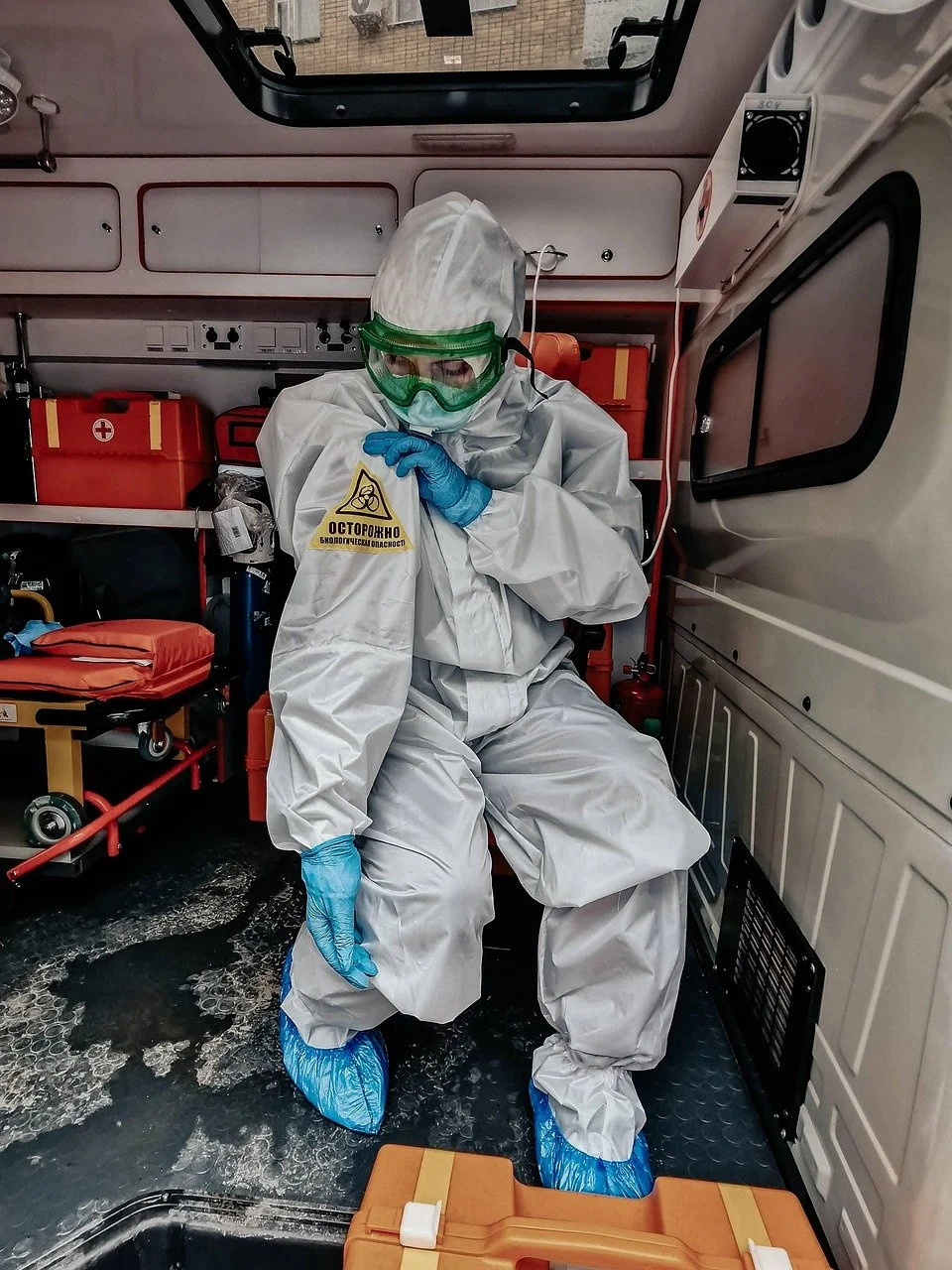
Personal protective equipment serves as the last line of defense against workplace hazards, making its proper selection, maintenance, and use essential for worker safety in 2026.
Conduct a comprehensive review of all PPE used in your workplace. Check for worn equipment that needs replacement, assess whether current gear provides adequate protection, and ensure you have sufficient quantities for all workers who need it. PPE that doesn't fit properly or is damaged provides a false sense of security while leaving workers vulnerable.
Different hazards require specific protective equipment. Workers handling chemicals need appropriate gloves and eye protection, those exposed to loud noise require proper hearing protection, and employees working at heights need fall protection systems. Ensure your PPE selection matches the actual risks present in your workplace.
Providing equipment isn't enough—workers must understand how to use it correctly. Conduct hands-on training that demonstrates proper donning, adjustment, use, and removal procedures. Explain the limitations of each type of PPE and the importance of inspecting equipment before each use.
Establish clear policies about PPE requirements and enforce them consistently. When workers see that safety rules apply equally to everyone, from entry-level employees to management, they're more likely to comply.
Address Mental Health and Workplace Stress
Mental health and psychological well-being significantly impact workplace safety, yet they're often overlooked in traditional safety programs. Making mental health support a resolution for 2026 acknowledges the complete picture of worker wellness.
Recognize that workplace stress directly affects physical safety. Fatigued, distracted, or overwhelmed workers are more likely to make mistakes that lead to accidents. Long hours, insufficient rest, and high-pressure environments all contribute to diminished alertness and increased injury risk.
Provide access to mental health resources, including employee assistance programs, counseling services, and stress management workshops. Normalize conversations about mental health so workers feel comfortable seeking help when they need it.
Support work-life balance through reasonable scheduling, adequate rest breaks, and respect for time off. Workers who can maintain healthy lives outside of work bring better focus and energy to their jobs.
Create a workplace culture that values psychological safety as much as physical safety. Workers should feel they can admit mistakes, ask questions, and express concerns without fear of ridicule or punishment.
Commit to Continuous Improvement
The most successful workplace safety programs view safety as an ongoing journey rather than a destination. Making continuous improvement a core resolution for 2026 ensures your safety efforts evolve with changing conditions and emerging knowledge.
Regularly review injury and illness data to understand where problems persist. Look beyond simple incident counts to examine root causes, contributing factors, and near-miss patterns. This analysis reveals where your safety efforts should focus for maximum impact.
Stay informed about regulatory changes, industry best practices, and emerging hazards. Worker safety standards evolve as new research emerges and technologies develop. Participating in industry associations, attending safety conferences, and maintaining connections with safety professionals keeps you current.
Learn from every incident, no matter how minor. Thorough incident investigations identify not just what happened but why it happened and how similar events can be prevented. Share lessons learned throughout your organization so everyone benefits from each experience.
Celebrate safety achievements. Recognizing milestones like injury-free periods, successful safety initiatives, or individual contributions to safety improvement reinforces the importance of these efforts and maintains momentum.
Conclusion
Making workplace safety a priority in 2026 through these essential resolutions can transform your work environment and protect every employee. If you've been injured at work, understanding your rights under California workers' compensation law is crucial. Taking the essential steps after a workplace injury promptly protects both your health and your legal rights.
Cole, Fisher, Cole, O’Keefe + Mahoney is Central California’s leading workers’ compensation and social security disability law firm. With over 30 years of successful experience, we are committed to securing maximum benefits for our clients in the Fresno, California area. Schedule a free consultation today.




© 2025 Cole, Fisher, Cole, O’Keefe + Mahoney
Making a false or fraudulent workers’ compensation claim is a felony subject to up to five years in prison, or a fine of up to $150,000 or double the value of the fraud, whichever is greater, or by both imprisonment and fine.