Workers' Compensation for Hearing Loss and Occupational Deafness
Workers CompensationOccupational HealthWritten By Cole, Fisher, Cole, O'Keefe + Mahoney
Hearing loss is one of the most common yet underreported occupational injuries in the United States. Unlike a broken bone or a laceration, hearing damage develops gradually, often over years or decades of exposure to noise on the job. Many workers do not realize the extent of their hearing loss until they struggle to follow conversations, miss the ring of a phone, or notice persistent ringing in their ears.
California recognizes occupational hearing loss as a compensable condition under its workers' compensation system. Whether the damage came from years of exposure to industrial machinery, sudden acoustic trauma from a single incident, or the cumulative effect of working in noisy environments, affected workers may be entitled to medical treatment, disability benefits, and other forms of support through the state's workers' compensation system.
Industries with the Highest Risk of Occupational Hearing Loss
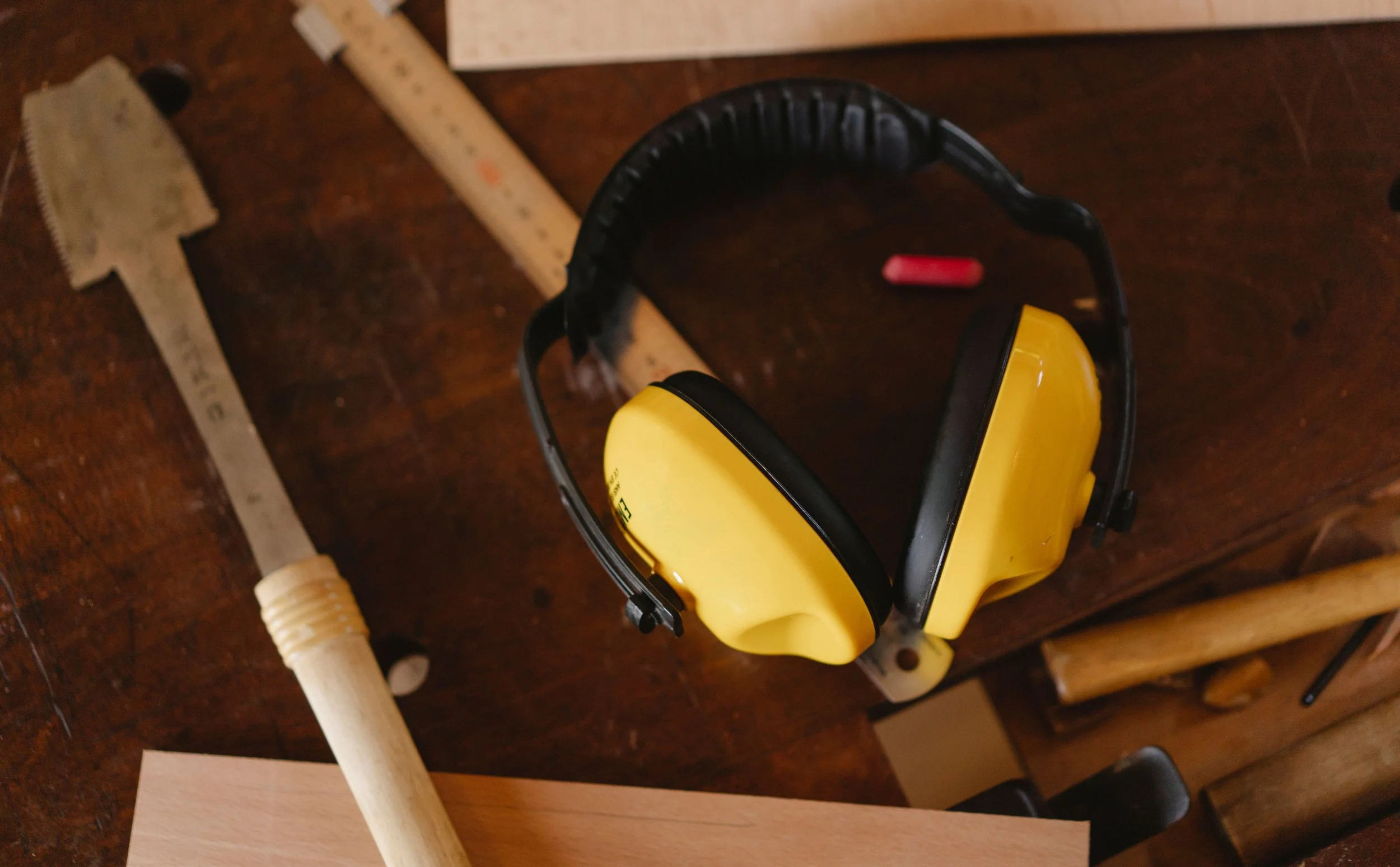
Hearing damage can occur in almost any workplace, but certain industries carry a significantly higher risk. Sustained exposure to sound levels above 85 decibels can cause permanent damage, and many work environments routinely exceed that threshold.
Workers in the following fields face an elevated risk of noise-induced hearing loss:
-
Construction and demolition, where heavy machinery, jackhammers, and power tools generate sustained high-decibel noise
-
Manufacturing and industrial production with stamping presses, grinders, and assembly equipment running continuously
-
Agriculture involving tractors, harvesters, grain dryers, and other loud equipment used for long hours
-
Aviation and airport ground operations, where jet engines and tarmac equipment produce extreme noise levels
-
Mining and quarry work with drilling, blasting, and crushing operations
-
Military and emergency services, including firefighters, police officers, and EMS workers exposed to sirens, gunfire, and explosive sounds
-
Entertainment and event production where amplified music and pyrotechnics create both sustained and impulse noise hazards
-
Transportation, including truck driving, railroad work, and shipping operations
Workers in these and similar fields should pay close attention to early signs of hearing damage and understand their rights under California law.
Recognizing the Signs of Occupational Hearing Damage
Hearing loss often progresses so slowly that workers adapt to it without realizing what is happening. Family members and coworkers may notice the changes before the affected worker does. Catching the damage early can make a meaningful difference in both medical treatment and the success of a workers' compensation claim.
Common warning signs include difficulty understanding speech in noisy environments, frequently asking others to repeat themselves, turning up the volume on televisions and phones, ringing or buzzing in the ears known as tinnitus, and a sensation that voices sound muffled or unclear. Some workers also experience temporary hearing changes after a shift, which is often a sign that permanent damage is accumulating.
Tinnitus deserves particular attention. The persistent ringing, buzzing, or hissing sound is more than an annoyance. It can interfere with sleep, concentration, and emotional wellbeing, and it is frequently associated with noise-induced hearing loss. California's workers' compensation system recognizes tinnitus as a compensable condition when it can be linked to workplace exposure.
Five Steps to Take If You Suspect Work-Related Hearing Loss
Pursuing a hearing loss claim involves a different approach than filing for a sudden traumatic injury. Because the damage develops over time, building a strong claim requires careful preparation. Here are five steps to follow if you believe your hearing loss is work-related.
1. Get a Professional Hearing Evaluation
Schedule an audiogram with a qualified audiologist or ear, nose, and throat specialist as soon as you notice symptoms. A baseline test creates an objective record of your hearing levels, which is essential evidence for any future claim. If your employer offers periodic hearing tests as part of a hearing conservation program, keep copies of every result.
2. Document Your Workplace Noise Exposure
Build a clear picture of the noise environments you work in. Note the types of equipment you operate, the hours per shift you spend in loud areas, and whether hearing protection was provided and required. If your employer conducted noise level surveys, request copies. This documentation helps establish the link between your job and your hearing loss, which is critical because occupational illness claims often require strong evidence connecting the condition to workplace conditions.
3. Report the Condition to Your Employer
Notify your employer in writing that you believe you have suffered work-related hearing loss. California has reporting deadlines for occupational illness claims, and a written record protects you if the timeline is later questioned. Keep a copy of the notice for your own records.
4. File Your Workers' Compensation Claim
Submit a DWC-1 claim form to your employer, who will forward it to their workers' compensation insurance carrier. Hearing loss falls within the broader category of occupational diseases, which the system is designed to address even when symptoms appear long after exposure began.
5. Pursue a Disability Rating Evaluation
If your hearing loss is significant, you may be eligible for permanent disability benefits. California uses standardized methods to translate hearing loss into a disability rating, which then determines benefit amounts. A qualified medical examiner can perform the evaluation and provide the documentation needed to support your rating.
Following these steps systematically gives you the best chance of receiving the full benefits available under California law.
Benefits Available for Occupational Hearing Loss
Workers who successfully establish a hearing loss claim in California may be eligible for several types of benefits. Medical care typically covers diagnostic testing, treatment of related conditions such as tinnitus, hearing aids, and ongoing audiology appointments. For many workers, hearing aids alone represent thousands of dollars in costs that workers' compensation can cover when the claim is approved.
Permanent disability benefits compensate workers for the lasting impact of hearing loss on their ability to function and earn a living. The amount depends on the severity of the loss, the worker's age, occupation, and how the condition affects their employment. Workers whose hearing loss prevents them from returning to their previous job may also qualify for supplemental job displacement benefits, which provide a voucher for retraining or education.
If hearing loss is part of a broader pattern of workplace hearing damage affecting multiple workers at the same employer, claims may also lead to safety improvements that protect future employees.
Common Challenges in Hearing Loss Claims
Hearing loss claims can be more difficult to pursue than acute injury claims for several reasons. Insurance carriers often argue that hearing loss resulted from non-work factors such as age, recreational noise exposure, or pre-existing conditions. They may also contest the timing of the claim, particularly when significant time has passed between the noise exposure and the formal diagnosis.
Causation is often the central battleground. Insurers may request multiple medical opinions, dispute the audiologist's findings, or attempt to apportion the loss between work and non-work causes. Strong documentation, consistent medical evidence, and careful preparation are essential. Workers who have spent years in high-noise environments often have legitimate claims that succeed when properly presented, but the process rewards diligence at every step.
Conclusion
Hearing is something most people take for granted until it begins to fade. For California workers who have spent years in noisy environments, occupational hearing loss is a real and often irreversible cost of the job. The state's workers' compensation system exists precisely to address conditions like these, but pursuing a successful claim requires prompt action, thorough documentation, and a clear understanding of your rights. If you believe your hearing has been damaged by workplace noise, do not wait to seek both medical evaluation and legal guidance.
Cole, Fisher, Cole, O’Keefe + Mahoney is Central California’s leading workers’ compensation and social security disability law firm. With over 30 years of successful experience, we are committed to securing maximum benefits for our clients in the Fresno, California area. Schedule a free consultation today.