
Summer Safety: Preventing Heat-Related Illnesses in California Workplaces
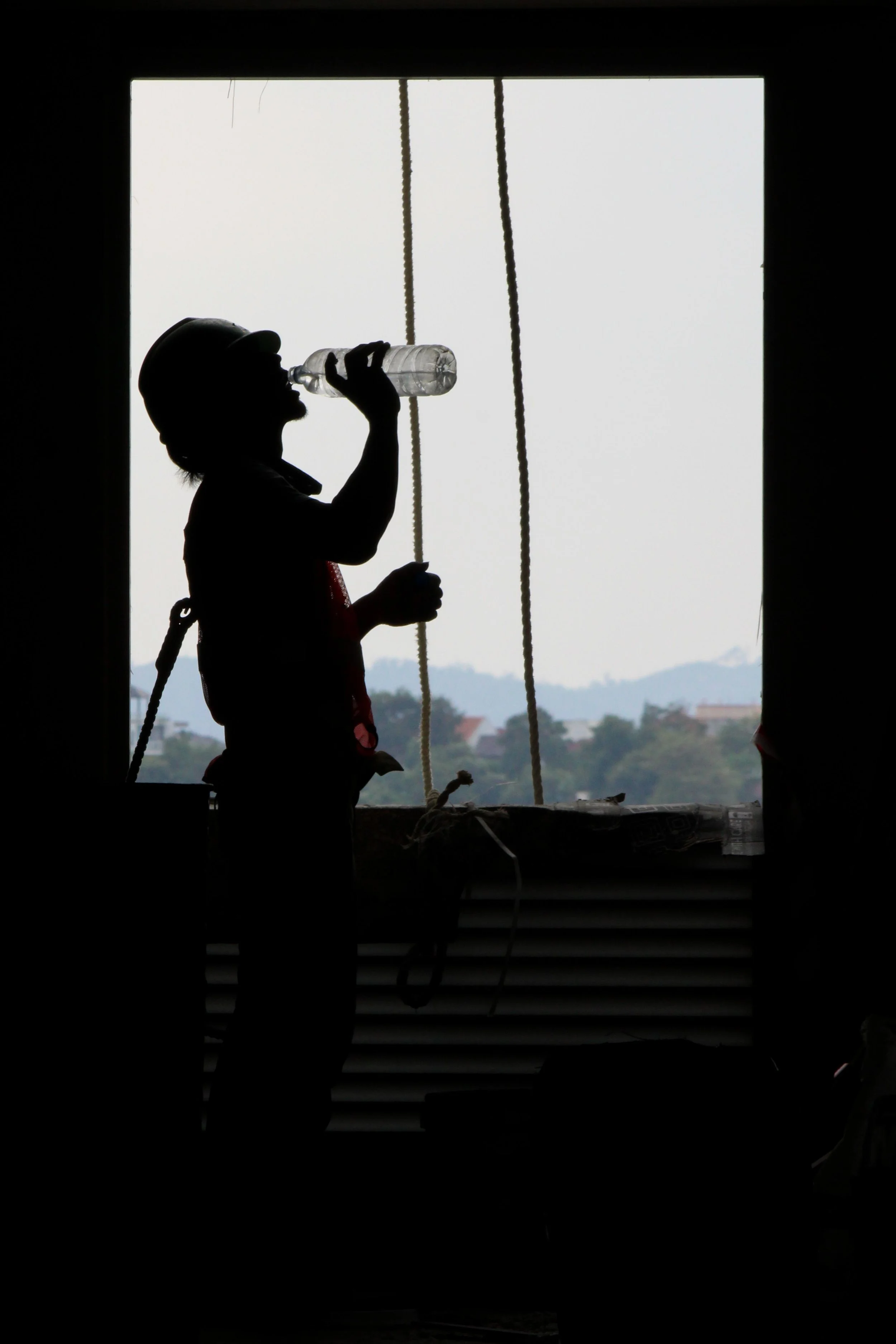
Every summer in California, workers across industries face one of the most underestimated hazards on the job: extreme heat. From agricultural fields in the Central Valley to construction sites in Southern California, rising temperatures bring a real risk of heat exhaustion, heat stroke, and other serious illnesses. The good news is that nearly every heat-related illness is preventable when workers and employers understand the warning signs and follow proper precautions.
This guide walks through the most common heat-related illnesses, what California law requires of employers, and practical strategies you can use to stay safe when the temperatures climb. Whether you work outdoors all day or only occasionally face heat exposure, knowing how to protect yourself is the first step toward avoiding a serious workplace injury.
Understanding Heat-Related Illnesses
Heat-related illnesses occur when the body cannot regulate its internal temperature in hot environments. As body temperature rises, the cooling mechanisms (primarily sweating) can become overwhelmed, leading to a range of medical conditions that vary in severity. Recognizing these conditions early is essential because the difference between a manageable case of heat cramps and a life-threatening heat stroke can come down to minutes.
The most common heat-related illnesses range from mild to severe. Heat rash and heat cramps are typically the earliest warning signs, often presenting as skin irritation or painful muscle spasms. Heat exhaustion is more serious, with symptoms like heavy sweating, weakness, nausea, dizziness, and headaches. The most dangerous condition is heat stroke, where the body's temperature regulation fails entirely. Heat stroke can cause confusion, loss of consciousness, organ damage, and death if not treated immediately. Workers who bike to and from work or perform physically demanding outdoor labor face heightened risk, especially during heat waves.
California's Legal Protections for Workers
California is one of the few states with a comprehensive heat illness prevention standard, and workers should know that they have specific legal rights when working in hot conditions. Cal/OSHA enforces strict requirements designed to protect employees from heat-related dangers, and these protections apply to both outdoor and certain indoor workplaces.
Under California's Heat Illness Prevention Standard, employers are required to provide access to fresh drinking water at no cost, shaded areas for rest breaks, and training on heat illness recognition and response. When temperatures reach 80 degrees or higher, employers must establish and maintain shade structures within close proximity to workers. At 95 degrees or above, additional high-heat procedures kick in, including mandatory monitoring of workers, more frequent communication, and additional rest periods. Cal/OSHA's push to protect workers from excessive heat has resulted in some of the strongest worker protections in the country, but enforcement still depends on workers knowing and asserting their rights.
Industries Most at Risk
While anyone working in hot conditions can develop a heat-related illness, certain industries see significantly higher rates of these injuries. Understanding whether your job puts you at elevated risk can help you take additional precautions and recognize when working conditions cross the line into unsafe territory.
Agricultural workers face some of the highest exposure to heat in the state, often working long hours in direct sun with limited access to shade or cooling. Construction workers, roofers, and road crews regularly perform strenuous physical labor in extreme temperatures, frequently while wearing heavy protective equipment that traps heat. Landscapers, groundskeepers, and warehouse workers in non-climate-controlled facilities are also at elevated risk. Even delivery drivers, mail carriers, and utility workers spend significant portions of their day in hot vehicles or outdoor environments. Workers in any of these roles should be especially vigilant about the warning signs of heat illness and the importance of regular breaks throughout the workday.
Warning Signs You Should Never Ignore
Recognizing the early symptoms of heat-related illness can mean the difference between a brief rest break and a hospital visit. Many workers push through the initial warning signs, either because they don't want to slow down production or because they don't realize how quickly conditions can escalate.
Some of the most important warning signs to watch for in yourself and your coworkers include:
Heavy Sweating That Suddenly Stops
This can indicate that the body's cooling system is failing, a critical warning sign of heat stroke.
Confusion, Slurred Speech, or Unusual Behavior
Neurological symptoms suggest the brain is being affected by elevated body temperature.
Nausea, Vomiting, or Severe Headache
These symptoms point to dehydration and electrolyte imbalance that require immediate attention.
Rapid Heartbeat or Shallow Breathing
Cardiovascular strain is one of the body's responses to heat stress.
Hot, Dry, or Flushed Skin
A clear indicator that the body is no longer cooling itself effectively.
Muscle Cramps, Weakness, or Dizziness
Early warnings that workers should immediately stop, rest in shade, and rehydrate.
If you or a coworker experiences any of these symptoms, the appropriate response is to stop work immediately, move to a cool or shaded area, drink water, and seek medical attention if symptoms don't improve quickly. Don't wait to see if things get better on their own, because heat stroke can develop within minutes and become fatal.
Practical Steps to Protect Yourself on the Job
While employers carry the primary legal responsibility for workplace safety, workers can take meaningful steps to reduce their own risk of heat-related illness. These strategies are most effective when combined with proper employer-provided protections, but they remain valuable tools for anyone working in hot conditions.
Here are six strategies every California worker should follow during hot weather:
1. Hydrate Strategically Throughout the Day
Don't wait until you're thirsty to drink water. By that point, you're already dehydrated. The general recommendation is to drink approximately one cup of water every 15 to 20 minutes during heavy heat exposure. Avoid energy drinks, sodas, and excessive caffeine, which can actually contribute to dehydration. For shifts longer than two hours in extreme heat, electrolyte-replacement drinks can help maintain sodium and potassium levels.
Starting your shift well-hydrated matters too. Drink water before you start work, not just during breaks, and continue hydrating after your shift ends to support recovery.
2. Acclimatize Gradually to Hot Conditions
New workers and those returning from vacation or extended absences are at significantly higher risk of heat illness because their bodies haven't adjusted to the heat. Cal/OSHA requires employers to implement acclimatization procedures for new employees during their first 14 days of work in hot conditions, gradually building up exposure time.
If you're new to a job or returning after time away, advocate for yourself by communicating your acclimatization needs to supervisors and taking extra breaks during your first two weeks.
3. Use Appropriate Sun Protection
Direct sun exposure compounds the effects of heat and creates additional risks like sunburn and long-term skin damage. Sun protection should be a standard part of your daily routine, including broad-spectrum sunscreen (reapplied every two hours), wide-brimmed hats, UV-blocking sunglasses, and lightweight long-sleeved shirts when possible.
Light-colored, loose-fitting clothing made from breathable fabrics like cotton or moisture-wicking synthetics will keep you cooler than dark or tight-fitting clothing.
4. Take Rest Breaks in Shade or Cool Areas
Regular rest breaks aren't just a comfort. They're a medical necessity during hot work. Use every break to move into shaded or air-conditioned spaces, sit down, and allow your body temperature to come down. If your employer doesn't provide adequate shade, this is a serious legal issue that should be reported.
For tips on staying cool during summer work, consider using cooling towels, ice packs at pulse points (wrists, neck, ankles), and portable fans during breaks.
5. Watch Out for Coworkers
The buddy system is one of the most effective ways to catch heat illness early. Confusion and impaired judgment are early symptoms of heat stroke, meaning the affected worker may not recognize their own danger. Coworkers who are paying attention can often identify problems before the worker does.
Check on each other throughout the day, especially during the hottest hours. If a coworker seems disoriented, lethargic, or unusually quiet, take it seriously and encourage them to rest and hydrate.
6. Report Unsafe Conditions Immediately
If your workplace lacks adequate water, shade, or training, or if supervisors are pressuring workers to skip breaks during dangerous heat, you have the right to report these conditions. California law protects workers from retaliation for reporting safety violations, and Cal/OSHA investigates heat illness complaints seriously.
Document the conditions, talk with coworkers about their observations, and consider filing a complaint with Cal/OSHA. If you've already suffered a heat-related injury, it's critical to report the injury properly to preserve your rights to workers' compensation benefits.
Together, these strategies form a strong foundation for staying safe during California's hottest months.
When Heat Illness Becomes a Workers' Compensation Claim
When heat illness happens on the job, it qualifies as a work-related injury under California's workers' compensation system. This means injured workers may be entitled to medical treatment, wage replacement during recovery, and additional benefits depending on the severity of the condition. Long-term complications from severe heat stroke, including kidney damage, neurological issues, and heart problems, can lead to ongoing medical needs that workers' compensation should cover.
Reporting a heat-related injury promptly is essential. Tell your supervisor as soon as possible, seek medical attention right away, and document everything about the conditions that led to the illness. The sooner you start the claims process, the stronger your case will be.
Conclusion
Heat-related illnesses are preventable, but only when workers and employers take the threat seriously. By understanding the warning signs, knowing your legal protections, and following practical safety strategies, you can dramatically reduce your risk of becoming another statistic during California's hottest months. If you've suffered a heat-related injury at work, don't hesitate to seek both medical care and legal guidance to ensure you receive the benefits you deserve.
Cole, Fisher, Cole, O’Keefe + Mahoney is Central California’s leading workers’ compensation and social security disability law firm. With over 30 years of successful experience, we are committed to securing maximum benefits for our clients in the Fresno, California area. Schedule a free consultation today.




© 2025 Cole, Fisher, Cole, O’Keefe + Mahoney
Making a false or fraudulent workers’ compensation claim is a felony subject to up to five years in prison, or a fine of up to $150,000 or double the value of the fraud, whichever is greater, or by both imprisonment and fine.