
Preventing Workplace Injuries During Seasonal Tasks
Every season brings its own set of workplace hazards. From scorching summer heat on construction sites to slippery winter conditions in warehouses, California workers face a rotating cycle of risks that change with the calendar. Understanding these seasonal dangers is the first step toward staying safe on the job and avoiding injuries that could sideline you for weeks or even months.
Whether you work outdoors in agriculture, indoors in retail, or somewhere in between, seasonal tasks often demand different physical efforts and expose you to unique environmental conditions. This blog breaks down the most common seasonal hazards, offers practical prevention strategies, and explains what to do if an injury does occur.
How Seasonal Changes Create Workplace Hazards
Seasonal shifts affect workplaces in ways that many employees and employers underestimate. During spring and summer, rising temperatures and increased UV exposure create dangerous conditions for outdoor workers in agriculture, construction, and landscaping. California's Central Valley, in particular, sees temperatures regularly exceeding 100 degrees during peak summer months, putting workers at serious risk for heat exhaustion and heat stroke.
Fall and winter bring their own challenges. Wet and cold conditions increase the likelihood of slips, trips, and falls across nearly every industry. Reduced daylight hours mean more workers are commuting and performing tasks in low-visibility conditions. Seasonal spikes in retail and shipping also mean more temporary workers handling unfamiliar equipment under tight deadlines, which increases the chance of accidents.
Beyond the physical environment, seasonal transitions often coincide with staffing changes. New hires brought on for busy seasons may lack adequate training, and existing employees may be asked to take on unfamiliar tasks to meet demand. This combination of environmental hazards and human factors makes seasonal awareness a critical component of any workplace safety program.
Common Summer Workplace Injuries and How to Avoid Them
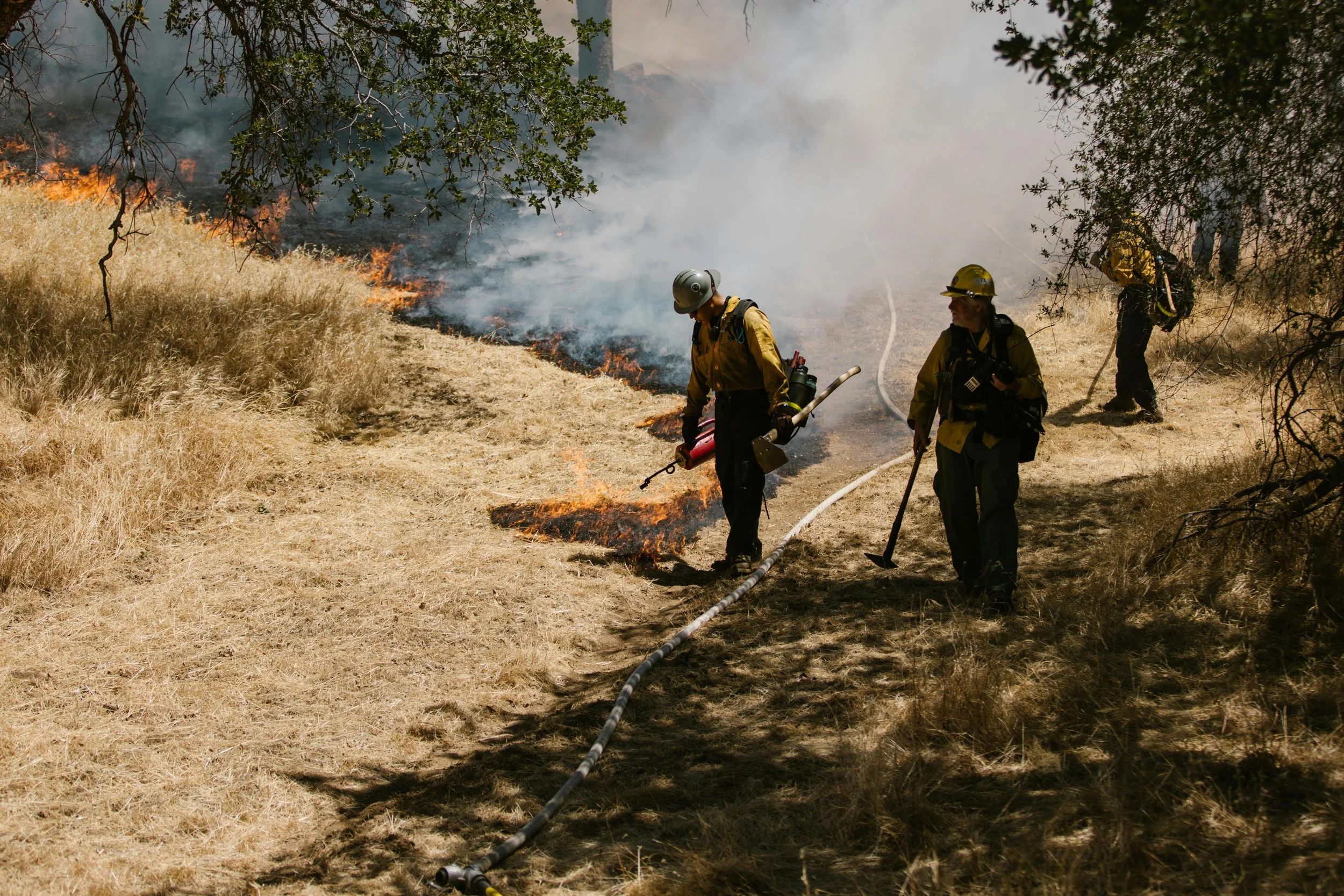
Summer is consistently one of the most dangerous seasons for California workers, especially those who work outdoors. The combination of extreme heat, prolonged sun exposure, and physically demanding tasks creates conditions ripe for serious injuries.
Heat Illnesses
Heat-related illnesses top the list of summer hazards. Workers who spend hours in extreme heat conditions without adequate hydration and rest breaks are vulnerable to heat cramps, heat exhaustion, and potentially fatal heat stroke. Agricultural workers harvesting crops and construction crews pouring concrete are among those at the highest risk.
Sun Exposure
Sun exposure also poses long-term health risks, including skin damage and increased cancer risk, for workers who spend extended periods outdoors without proper protection. Eye injuries from UV radiation are another often-overlooked summer hazard that can cause lasting damage.
Summer Protections
To stay safe during summer months, workers should drink water frequently throughout the day, take breaks in shaded or air-conditioned areas, and wear lightweight, breathable clothing that still provides sun protection. Employers have a legal obligation to provide water, shade, and rest periods under California's heat illness prevention standards.
Winter Hazards That Put Workers at Risk
While California's winters are milder than those of many states, they still present significant workplace dangers. Cold temperatures, rain, and occasional frost create slippery surfaces that can lead to falls in parking lots, loading docks, and walkways. Workers in northern California and mountainous regions face even more severe winter conditions, including ice and snow.
The role of employers in preventing winter workplace accidents cannot be overstated. Proper maintenance of walking surfaces, adequate lighting, and clear protocols for inclement weather are all essential. Workers in cold environments also face risks from hypothermia and frostbite, particularly those in outdoor roles like utilities, transportation, and emergency services.
Seasonal affective changes during shorter winter days can also impact worker alertness and mood, contributing to fatigue-related accidents. Employers should consider adjusting shift schedules when possible and ensuring that indoor workspaces are well-lit and properly heated.
Preventing Injuries During Seasonal Transitions
The periods between seasons are often when workers are most vulnerable. Transitioning from one set of tasks to another, adapting to new environmental conditions, and adjusting to schedule changes all create opportunities for injuries to occur.
Here are six strategies to help workers and employers prevent injuries during seasonal transitions:
1. Update Safety Training for the Upcoming Season
Before each seasonal shift, employers should conduct refresher training that addresses the specific hazards workers will face. This might mean heat illness prevention training before summer or fall protection training before winter roof maintenance. A strong worker safety program adapts its training content to match seasonal risks.
2. Inspect and Replace Personal Protective Equipment
Seasonal changes often require different types of personal protective equipment. Summer may call for UV-protective eyewear and cooling vests, while winter demands insulated gloves and slip-resistant boots. Inspect all PPE at the start of each season and replace any worn or damaged items immediately.
3. Conduct Ergonomic Assessments for Seasonal Tasks
Different seasons bring different physical demands. Workers who spend summer months doing repetitive harvesting tasks and winter months in warehouse roles face varying ergonomic risks with each transition. Regular ergonomic assessments can identify potential strain points before they become injuries.
4. Adjust Work Schedules to Match Conditions
Scheduling physically demanding tasks during cooler parts of the day in summer, and during daylight hours in winter, can significantly reduce injury risk. Flexible scheduling also allows for additional rest breaks during extreme weather conditions.
5. Maintain Clear Communication Channels
Workers should feel comfortable reporting hazards and near-misses without fear of retaliation. Open communication between employees and supervisors helps identify emerging seasonal risks before they result in injuries.
6. Prepare for Increased Staffing Needs
Seasonal employment surges in agriculture, retail, and hospitality mean more workers who may be unfamiliar with workplace hazards. Employers who hire seasonal employees should provide comprehensive orientation and safety training regardless of how short the employment period may be.
These strategies work together to create a safer workplace that adapts to changing conditions throughout the year.
Industry-Specific Seasonal Risks in California
California's diverse economy means that seasonal hazards vary significantly by industry. Agricultural workers face some of the highest risks, particularly during planting and harvest seasons when long hours, heat exposure, and repetitive motions combine to create dangerous conditions. Workers in the Central Valley who handle crops, machinery, and pesticides face a unique set of farming-related injury risks that peak during summer and fall.
Construction workers experience seasonal risk fluctuations as well. Summer heat affects concentration and physical endurance, while winter rain creates slippery scaffolding and unstable ground conditions. The holiday season brings additional pressure to complete projects on deadline, which can lead to shortcuts in safety protocols.
Retail and warehouse workers face their highest injury risks during the holiday shopping season from October through December. Increased foot traffic, heavy lifting, long shifts, and crowded workspaces all contribute to a spike in injuries. Temporary workers brought on for the holiday rush are particularly vulnerable because they often receive minimal safety training.
What to Do If You Are Injured During Seasonal Work
If you suffer an injury while performing seasonal tasks, taking the right steps immediately can protect both your health and your legal rights. The first priority is always to seek medical attention for your injury. Even minor injuries should be evaluated by a healthcare provider, as some conditions worsen over time if left untreated.
Next, report the injury to your employer as soon as possible. California law requires that workplace injuries be reported promptly, and delays in reporting can complicate your ability to receive workers' compensation benefits. Document everything related to your injury, including photographs of the scene, witness contact information, and detailed notes about how the incident occurred.
You have the right to file a workers' compensation claim regardless of whether you are a full-time, part-time, or seasonal employee. California law protects all workers who are injured on the job, and employers are prohibited from retaliating against employees who file claims.
Conclusion
Seasonal workplace injuries are largely preventable when workers and employers take proactive steps to address changing hazards throughout the year. By staying informed about seasonal risks, using proper protective equipment, and maintaining open communication about safety concerns, you can significantly reduce your chances of being hurt on the job. If you do experience a workplace injury during seasonal tasks, contact an experienced workers' compensation attorney who can help you understand your rights and pursue the benefits you deserve.
Cole, Fisher, Cole, O’Keefe + Mahoney is Central California’s leading workers’ compensation and social security disability law firm. With over 30 years of successful experience, we are committed to securing maximum benefits for our clients in the Fresno, California area. Schedule a free consultation today.






© 2025 Cole, Fisher, Cole, O’Keefe + Mahoney
Making a false or fraudulent workers’ compensation claim is a felony subject to up to five years in prison, or a fine of up to $150,000 or double the value of the fraud, whichever is greater, or by both imprisonment and fine.