
Labor Day and Worker Safety: Celebrating Worker Protections in California
Labor Day arrives as a day off, a barbecue, the unofficial close of summer. It is easy to forget that the holiday was created to mark something specific: the work ordinary people do, and the long effort to make that work less dangerous. For anyone hurt on the job in California, that history is not abstract. The protections you lean on after an injury, including medical treatment, partial wage replacement, and the ability to report what happened without being punished for it, exist because people built them piece by piece over generations.
What follows is general information about how California's worker protections came to be and what they cover today, not advice about any particular claim. Every situation has its own facts, and what applies to one injured worker may not apply to another. Still, understanding the shape of the system can make a confusing stretch feel more navigable, and knowing these protections were designed with you in mind is worth something on a holiday named for your work.
Where Labor Day Came From, and Why It Still Matters
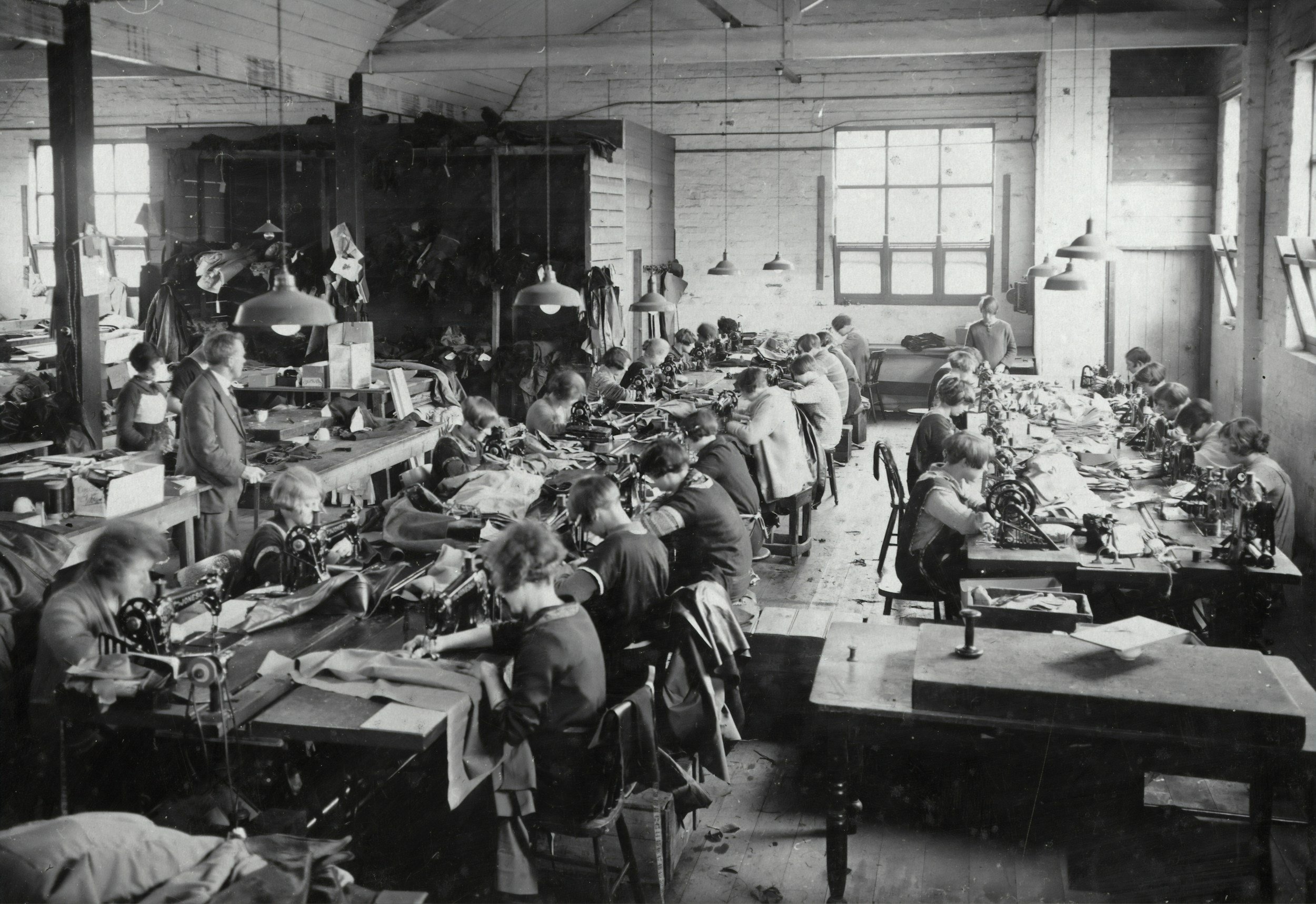
Labor Day became a national holiday more than a century ago, when American workplaces looked very different from the ones we know. Long hours were routine, machinery was often unguarded, and a worker hurt or killed on the job frequently had no dependable way to get help. Families absorbed the loss themselves. If compensation came at all, it usually required a lawsuit against the employer, and those lawsuits were slow, costly, and hard to win.
The holiday grew directly out of the movement that changed those conditions. Working people pressed for shorter days, guarded equipment, limits on child labor, and some reliable form of compensation when injury happened. Labor Day is a reminder that safeguards we now treat as ordinary were once genuinely contested. Similar observances, like World Day for Safety and Health at Work, carry that same tradition forward internationally. The throughline has not changed: workplace safety is something people had to build, and it stays in place only because it keeps being maintained.
The Bargain at the Heart of Workers' Compensation
The workers' compensation system rests on a trade that was struck in the early decades of the twentieth century, and California was among the states that moved on it early. Injured workers gave up the ability to sue their employer in most circumstances. In return, they gained access to defined benefits without having to prove that anyone did anything wrong.
That trade is why California's system is described as no-fault. An injured worker generally does not need to establish that the employer was careless, and the employer generally cannot defeat a claim by arguing that the worker was the careless one. The benefits are set by the system rather than decided by a jury, which trades the possibility of a large verdict for something a hurt person often needs more: a process that does not depend on winning a fight over blame. A walk through how the claims process actually unfolds in California shows how that structure operates step by step. The categories of help the system was built to provide have stayed fairly consistent.
Medical Treatment for the Work-Related Condition
The system was designed so treatment for a work injury is covered as a matter of course rather than billed to the worker. In practice this involves provider networks, treatment guidelines, and utilization review, which can be frustrating, but the principle is that the cost of healing a work injury belongs with the work, not the worker.
Partial Replacement of Lost Wages
When an injury keeps someone off the job or cuts their hours, the system provides wage replacement at a portion of prior earnings rather than the whole amount. That gap is real and is one of the hardest parts of being injured, which is why understanding how the calculation works matters more than most people expect at the outset.
Recognition of Lasting Effects
Not every injury resolves completely. The system includes a way to account for impairment that remains after treatment has done what it can, based on medical evaluation rather than on how the worker describes the loss.
Support for Changing Work
Some injuries make returning to the same job unrealistic. Rather than leaving that worker without options, the system includes benefits oriented toward retraining and different work.
Benefits for Surviving Family Members
When a work injury or occupational illness results in a death, the system provides for dependents. It cannot undo the loss, but it reflects a judgment made long ago that families should not be left to carry the financial consequences alone.
The Safety Half of the System
Compensation after the fact is only half of what California built. The other half is prevention, carried out largely through state workplace safety regulation and the employer duties that come with it. Employers are expected to identify hazards, address them, train workers on the risks specific to the job, and keep records of injuries. Workers, in turn, have the ability to raise safety concerns.
Some of California's protections are written for particular kinds of work, because the hazards are particular. The rules that protect agricultural workers from injury and heat illness are a clear example: they exist because outdoor field work carries risks an office rule set would never anticipate. Several other pieces of the prevention side are worth knowing:
Employer training obligations, since safety training is closely tied to how often injuries happen in the first place
Joint employer and employee safety structures, including safety committees that surface hazards before someone gets hurt
Hazard correction duties, which put responsibility for fixing a known danger on the employer rather than on the person exposed to it
Newer tools and equipment, as technology continues to change how common injuries are prevented
Prevention and compensation reinforce each other. When prevention works, fewer people need the claims system at all.
Four Ways Injured Workers Can Put These Protections to Use
Knowing protections exist is different from knowing how to use them. The following are general practices that help injured workers engage with the system.
1. Learn What the System Says You Are Entitled To
The protections are only useful to someone who knows they are there. A plain overview of what rights an injured worker has in California covers the ground most people never think about until the day they need it, including access to treatment and the ability to participate in decisions about a claim.
Reading it after an injury is still useful, because a worker who understands the framework asks better questions of the people handling the claim.
2. Report the Injury and Get Care
Reporting the injury to the employer and getting medical attention are the two steps that everything else builds on. A written report creates a record that the event happened at work, and medical records create the connection between the work and the condition. Guidance on the first steps to take after a workplace injury lays this out in order.
Do not put off care in order to see how a claim develops. Getting evaluated is both a health matter and the thing that documents the injury, and delaying it serves neither purpose.
3. Know That Workplace Protections Extend Past Injury Claims
Workers' compensation sits alongside other protections covering wages, discrimination, and safety complaints. An overview of the main categories of workplace violation protections is a useful orientation, because what looks like one problem sometimes involves more than one body of law.
4. Understand That Retaliation Is Treated as Its Own Wrong
Fear of consequences keeps some injured workers from reporting at all. California treats punishing a worker for filing a claim as a separate wrong from the claim itself, with its own process for addressing it. Material on handling retaliation after filing a claim describes what that generally looks like.
It is also worth knowing that the system's protections are not limited to workers with a particular immigration status, a point covered in this discussion of immigration status and workers' compensation. Taken together, these practices amount to participating in the system rather than waiting on it.
Where the Protections Have Limits
Honesty about the system requires acknowledging what it does not do. It does not make an injured worker whole. Wage replacement covers part of a paycheck, not all of it. Treatment can be slowed by review. Disputes happen, and resolving them takes time a person out of work does not feel they have.
There is also a timing dimension that matters a great deal. Strict time limits apply to reporting a work injury and to filing a claim, and those limits vary depending on the circumstances, including what kind of injury or illness is involved and when it was discovered. Because getting a date wrong can affect a claim, the right move is to confirm the deadlines that apply to your own situation promptly, either with a workers' compensation attorney or with the state's Division of Workers' Compensation, rather than relying on a general figure you read somewhere.
Carrying the Holiday Forward
Labor Day is a good moment to notice that California's worker protections were not inevitable. The no-fault compensation bargain, the safety regulations, the rules against punishing someone for reporting an injury: each came from people who decided the alternative was unacceptable. The result is imperfect, sometimes slow, and often confusing to the person inside it. It is also considerably better than what came before.
If you are hurt and trying to understand what your own situation involves, the useful next step is to talk with someone who can look at the specifics. This article is general information about how the system works, not guidance about any individual case, and outcomes depend on facts and medical evidence that differ from one worker to the next. A conversation with a workers' compensation attorney, or with the Division of Workers' Compensation, can help you confirm your own timelines and understand the options in front of you.
Cole, Fisher, Cole, O’Keefe + Mahoney is Central California’s leading workers’ compensation and social security disability law firm. With over 30 years of successful experience, we are committed to securing maximum benefits for our clients in the Fresno, California area. Schedule a free consultation today.




© 2025 Cole, Fisher, Cole, O’Keefe + Mahoney
Making a false or fraudulent workers’ compensation claim is a felony subject to up to five years in prison, or a fine of up to $150,000 or double the value of the fraud, whichever is greater, or by both imprisonment and fine.